পণ্য


.svg)


.svg)


Print-on-demand gives independent sellers a real shot at building a profitable store around football season — but the NFL is one of the most litigious brand owners in American sports, and it treats small Etsy or Shopify sellers the same way it treats large counterfeit rings. Understanding why the league enforces so aggressively, and what the law technically protects, is what separates sellers who scale safely from sellers who lose their store overnight.
If you're looking for design ideas that convert without touching NFL IP, we've already covered that ground in How to Create Football-Themed Designs for the Big Game Without IP Risk — this piece focuses on the legal mechanics behind those rules, so you understand the "why," not just the "what."
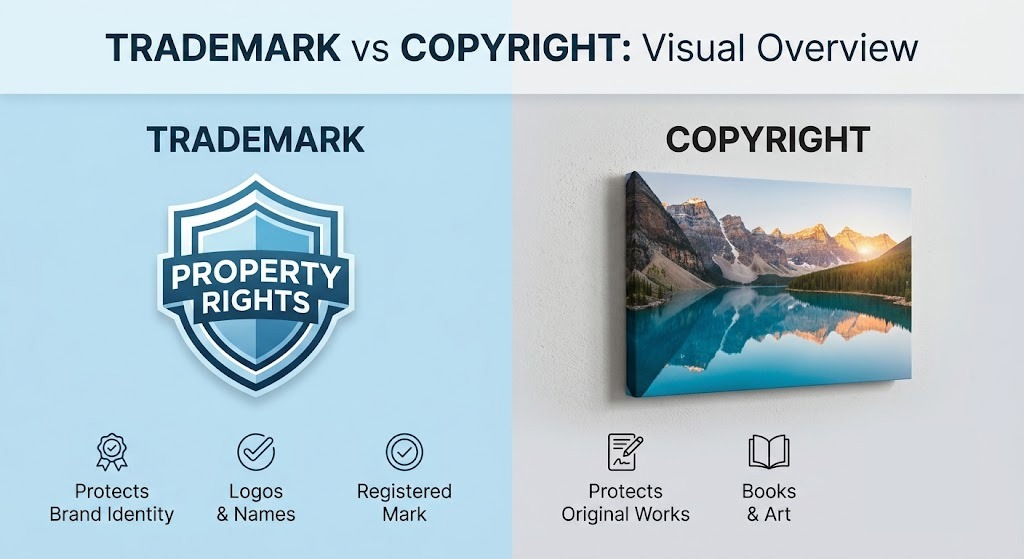
Trademarks protect brand identifiers used in commerce — team logos, names, slogans, and trade dress — and exist to prevent buyers from being confused about who actually made or endorsed a product. Copyrights protect original creative works, like photographs, illustrations, and broadcast footage. In practice, printing an official team logo on a hoodie is trademark infringement because it implies the NFL authorized the product. Recreating a stadium graphic or lifting a photo from NFL.com is copyright infringement instead. Both can get a listing pulled, but they're enforced through different legal channels — which matters if you ever need to understand a takedown notice.
This isn't theoretical risk. Ahead of Super Bowl LIX, the NFL and the Department of Homeland Security's IPR Center jointly announced the seizure of $39.5 million in counterfeit sports merchandise through a year-long initiative called Operation Team Player. A year later, ahead of Super Bowl LX, U.S. Customs and Border Protection reported seizing more than 78 million counterfeit items in 2025 worth an estimated $7.4 billion, including roughly 300,000 fake NFL items valued at $33 million. This enforcement infrastructure runs year-round, not just during championship week, and POD platforms are squarely inside its scope since listings are public, searchable, and easy to flag.
The legal exposure for individual sellers is real, too. Willful infringement can carry fines up to $2 million for large-scale counterfeit operations and up to 10 years in prison for intentional trademark infringement, on top of seizure of goods and business assets. Most small POD sellers won't face criminal exposure for an unintentional slip — but civil claims, forced product removal, and permanent platform bans are common outcomes even for first-time, small-scale violations.
The most common mistake sellers make is assuming that removing the logo removes the risk. Under U.S. trademark law, trade dress protects the overall visual impression of a brand — meaning specific color combinations, paired with geographic or football-related language, can still infringe even without a logo present. A design using midnight green and silver alongside an eagle graphic, or purple and gold with "Minnesota Football" in an athletic slab-serif font, can create a likelihood of confusion about official sponsorship — which is the legal standard that actually matters, not whether a logo is technically present.
Generally lower-risk: city names alone, neutral color palettes, non-proprietary typography, and broad phrases like "Game Day Vibes."
Generally higher-risk: city name + team-associated colors + football iconography + athletic-style fonts, even with zero logos.
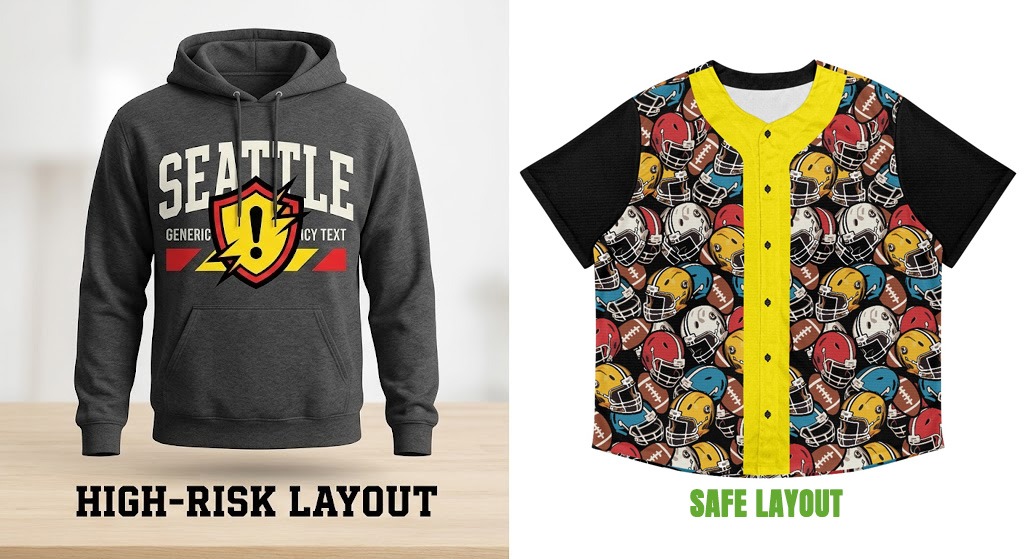
Keep this list next to your design workflow. If a design or listing hits even one item on the "Don't" side, revise it before publishing.
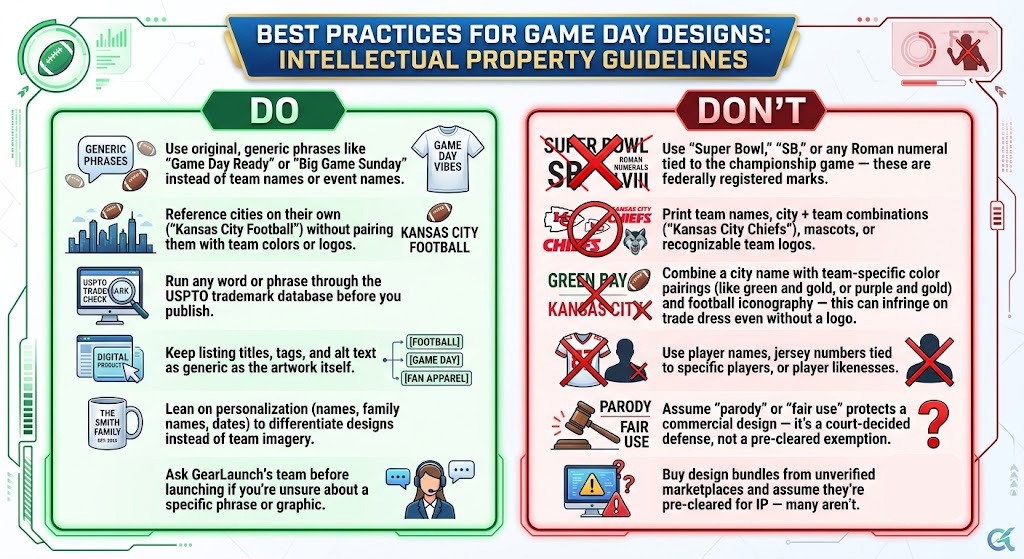
Do:
Don't:
To ensure your football-season designs stay compliant while still capturing fan interest, take a look at these safe design ideas for the big game.
Marketplace and platform systems scan listing data continuously, not just artwork. A few practices account for most avoidable strikes:
Keyword stuffing metadata. Including team names, "NFL," or event names in titles, tags, or alt text triggers automated flags even when the artwork itself is fully generic — the system matches the text, not the design.
Relying on "fair use" or "parody" as a shield. Fair use is a legal defense a court evaluates case by case — it isn't a pre-cleared exemption, and commercial products sold for profit rarely qualify against a trademark claim.
Buying unverified third-party design bundles. Vector packs from general marketplaces don't come with IP clearance. Many contain unauthorized derivative works, which means the liability transfers to whoever prints and sells the product — not the person who created the file.
Run any football design through the USPTO's Trademark Electronic Search System (TESS) to confirm a word or phrase isn't an active registered mark. Then audit your own listing text — titles, tags, and image alt text — for team names, player names, or event names, since metadata gets flagged independently of artwork. Finally, inspect the print file itself for any proprietary crest, mascot, or stylized team font before it goes live.
For seasonal strategy around when to launch and how to time inventory, our Holiday Selling Guide breaks down campaign timing in more detail, and our Product Selling Guide covers which product types convert best for sports and fan-culture niches once your designs are compliant.
Understanding the legal rules is only half the job — the other half is setting up your store so compliance is baked into your workflow, not something you check after the fact. Here's how to apply everything above directly inside GearLaunch.
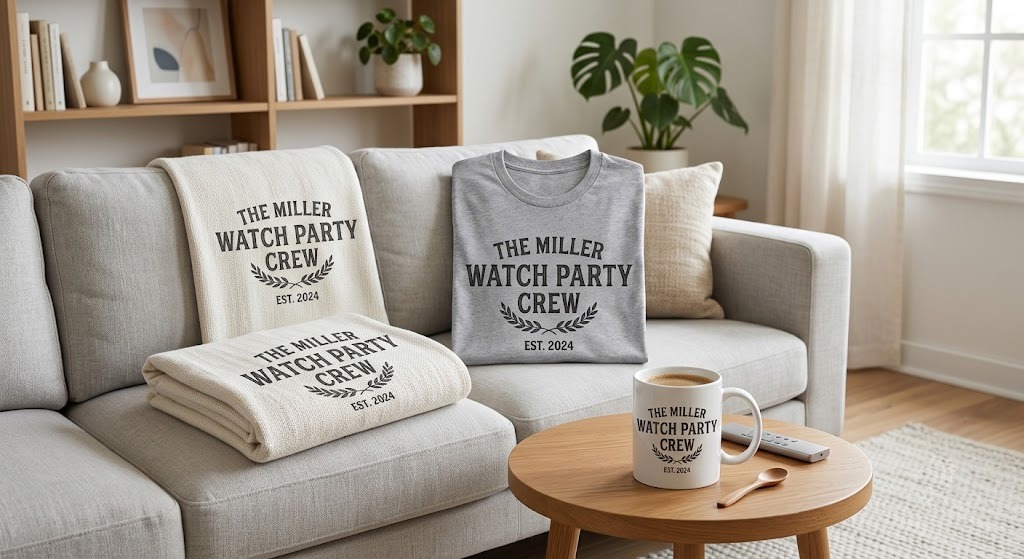
Start with product types that reward text and typography over logos. Since the safest football designs lean on original phrases, generic graphics, and personalization rather than team imagery, pick products where lettering does the visual work. Unisex T-shirts and unisex hoodies are the highest-volume game-day apparel picks, while mugs and canvas wall art work well for the watch-party and hosting audience that shops for the experience, not the team.
Use personalization to sidestep trade dress risk entirely. A design that reads "[Last Name] Watch Party Crew" or "Game Day at the [Last Name] House" can't infringe on trade dress the way a team-color scheme can, and it lifts conversion at the same time. Blankets and ornaments both take personalization well and sell as gifts, not just fan gear.
Check your listing metadata the same way you check your artwork. Before you publish through Create a Product, re-read your title, tags, and description for any team name, player name, or event term you stripped from the design itself — automated systems flag text independently of the image, so a clean graphic with a risky title still gets pulled.
Build collections instead of one-off listings. Once a design and its metadata pass your compliance check, extend it across your full standard catalog — a compliant "Game Day Host" phrase works on an apron as easily as a hoodie, and bundling matching items increases average order value without adding new IP risk to review.
Is the phrase "Super Bowl" trademarked? Yes. It's a federally registered trademark that the NFL actively defends. Sellers typically use alternatives like "The Big Game" or "Football Sunday" on event-themed apparel instead.
Can I use a city name and team colors together? City names alone are generally fine on generic apparel. Pairing a city name with team-specific color combinations, athletic typography, and football iconography raises real trade dress risk, even without a logo.
How would an independent seller get an official NFL license? Licensing runs through NFL Properties LLC and typically requires substantial royalty guarantees, manufacturing audits, and significant liability insurance — which makes direct licensing impractical for most independent POD sellers.
What happens after a trademark or DMCA strike? The listing is usually removed immediately, with notice sent to the seller. Multiple strikes can lead to account termination, payment holds, and in serious cases, legal action from the rights holder's counsel.
Does "fair use" protect parody designs? Not automatically. Fair use is decided by courts on a case-by-case basis, and commercial products sold for profit rarely succeed under that defense against a trademark claim.
Ready to launch compliant football-season designs? Browse the full GearLaunch product catalog or head straight to Create a Product to get your first listing live.


.svg)
.svg)
.svg)